
This is part 4 in my “No-Shave Experiment” mini-series. Here’s part 1 – the reveal, 1a – a call for personal experience, part 2 – the rant, and part 3 – the reflection.
Back in September 2015, I finally finished reading Plucked: A History of Hair Removal, by Rebecca Herzig. I typed my notes into a draft blog post and it sat there for many months. Lately, I’ve felt the need for some closure on this “No-Shave Experiment”, begun in November 2014 (because it’s really not an experiment for me any more) and so I’m going to try to push through and finish the final three posts in the series.
Rather than try to mold my notes (taken almost 18 months ago) into any sort of coherent report, I’ve organized them into categories but just left them in note form. For the most part, these are my own summaries of what I read. Sentences/phrases in quotation marks are taken directly from Plucked. (Any errors in the quotations are definitely mine.)
Hair Removal (HR) through the ages:
- Overall impression: hair removal as both racist and sexist (the more hairy the person, the more crass, visible body hair = “dirty foreigner”)
- HR among non-native women in the US started around 1910/15 as hemlines started to rise – considered essential for sleeveless gowns
- HR as a way for middle-class American women to “separate oneself from cruder …lower class, and immigrant [people]”
- shaving = with the need for private bathroom/indoor plumbing, therefore a mark of the well-off
- By 1938, for women, any hair not on scalp is considered excessive. Also, Gilette’s need to sell more shaving stuff after World War 1 (to keep up higher sales due to the bare faces needed for gas masks) motivated them to start advertising to women. Advertising avoiding mention of blade and instead referring to “caring for niceties of personal habit.” Shortages of nylon/silk in WWII meant women started to go bare-legged and wanted to maintain the look of stockings, hence needing to shave.
Hair Removal (HR) in more recent times:
- unshaven armpits as political statement – feminism, symbolic reminder of the often “repetitive, expensive and often invisible labor of maintaining hair-free flesh” – either as trivial nuisance or very embodiment of women’s oppression.
- For advocates of Black Power and Black Nationalists, revised treatment of head hair became a vital element of resistance to racist perceptions of beauty and Eurocentric standards of appearance. [I think that this was a direct quote from the book because they don’t sound like my words but I didn’t have the quotes in my notes so I’m not sure.]
- “The treatment of armpit, facial, or leg hair…provide women’s liberationists with a malleable and visible symbol of their commitment to the ‘natural,’ unconfined body. Simply by ceasing shaving, advocate of women’s rights might quickly establish their identification with larger social movements.”
- Another [maddening] example of “gendered social control”: the forcible, mandatory shaving of pubic hair at the beginning of labor. (This is a practice that thankfully has almost completely died but still makes me furious to think about it happening.)
- “visible body hair on women signals political extremism” – like the radical PETA activist in the [possibly a hoax] NRA advertisement.
- “If God gave it to me, why should I shave it off?” (A question I ask myself a lot and found it interesting to see it expressed in this book, not written at all from a Christian viewpoint.)
- About waxing: Waxing depends on “conversion of petroleum waste into valuable by-product” – i.e waxing is NOT a carbon-neutral activity. The Brazilian wax came out of porn (if everyone has shaved legs, how can we make porn more shocking?). Waxing brands/formulas are not regulated like cosmetics (i.e. no mandatory testing procedures). Brazilian waxing is SO incredibly painful for the client but also bad for the workers (repetitive strain injuries, noxious chemicals/fumes) and primarily depends on cheap immigrant labor.
On why people say they shave
- “Over time, hairlessness, once perceived as characteristic “deficiency of the continents” (i.e. of indigenous peoples), [has become] normalized – a persistent standard of health, beauty, cleanliness, and desirability.”
- “When asked, however, Americans tend to downplay the influence of such norms and values [see above]. Instead they attribute their own hair removal practices to “personal” goals of increased attractiveness, elevated self-esteem, and enhanced sexual pleasure.” They attribute their decisions to personal choice, individual freedom = the “right” to shave (To which I have to thing: Really?!?! – as in, you’re glad to have the right to spend a bunch of money and time taking hair off your body?)
In Conclusion
“The uneven effects of “personal” enhancements are distributed broadly, temporally, and geographically. Those uneven effects, moreover, are routinely excluded from ethical and political debates. Plucked is,first and foremost, a call to remember those excluded others: the staggering volumes of sweat and blood and imagination and fear expended to produce a single hairless chin.”
As you can probably tell from my editorial asides, I just kept getting more annoyed, the further into the book I read. If you’re interested in the history of hair removal, I really do highly recommend reading the whole book. I’ve barely scratched the surface with these notes.
P.S. Want to read more? Check out this article in The Atlantic. It quotes quite a bit from Plucked and the comments section was really fascinating to me. (I NEVER read the comments section these days but got sucked into this one for some reason.)
Still to come: the [anecdotal] RESEARCH and the RESOLUTION (Can you guess what it will be?)
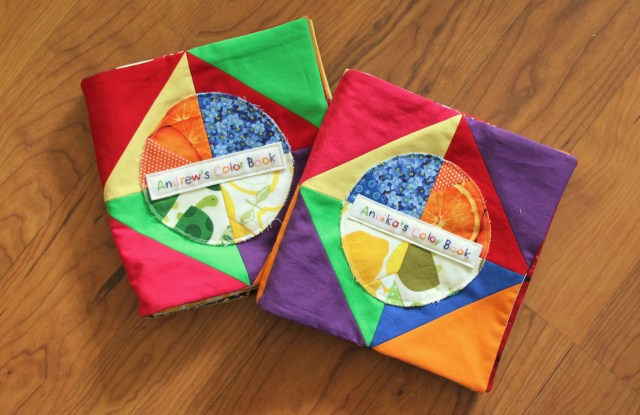
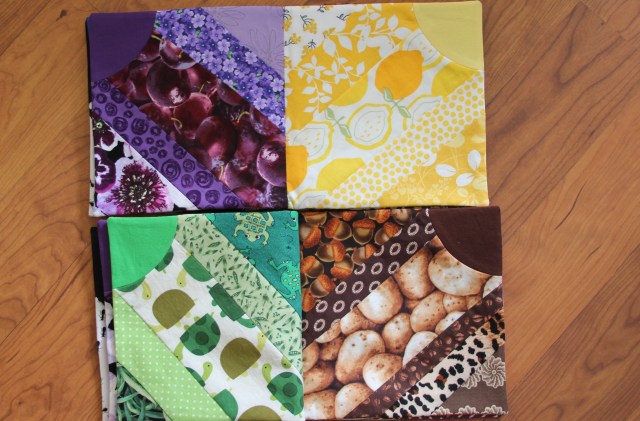
 And because I know my mother likes to see the inside of these also, here are the inner pages. Finding all the different fabrics for these books is probably my favorite part of sewing them.

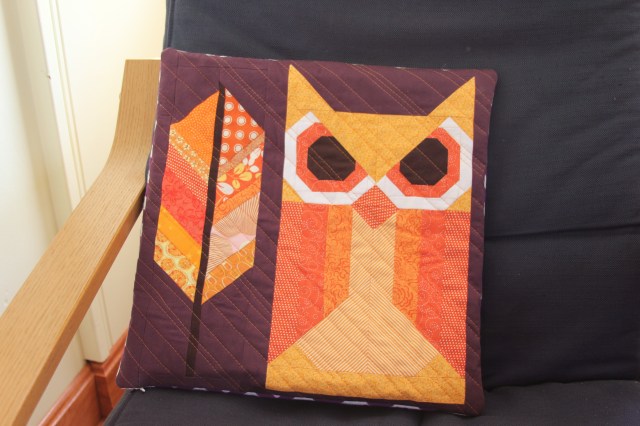 I drafted the paper piecing pattern for that arrow myself. It’s not perfect but it was fun!
 had fun doing some irregularly-spaced diagonal quilting on this one!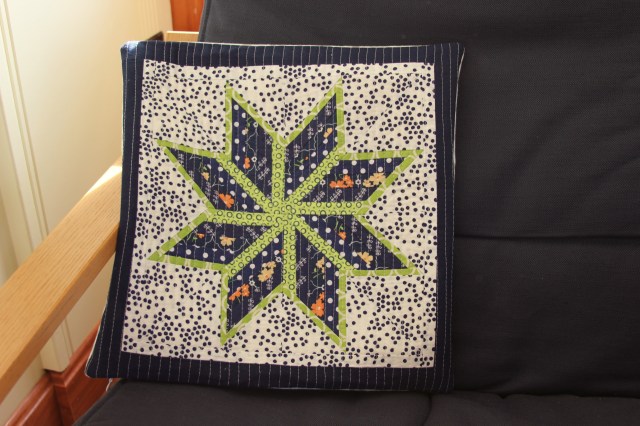
 inner green fabric also seen in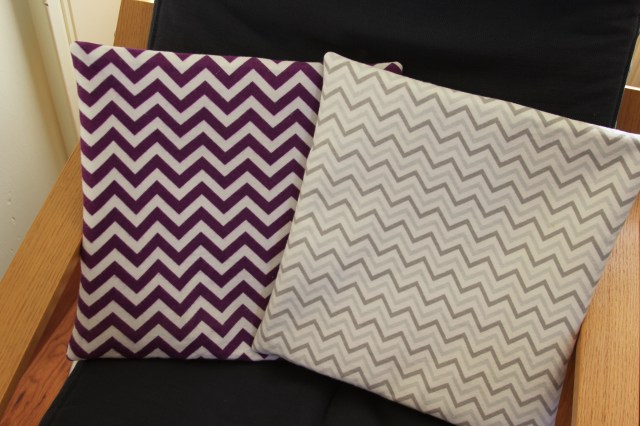

 colors of tools not purposefully matched to colors of block 🙂
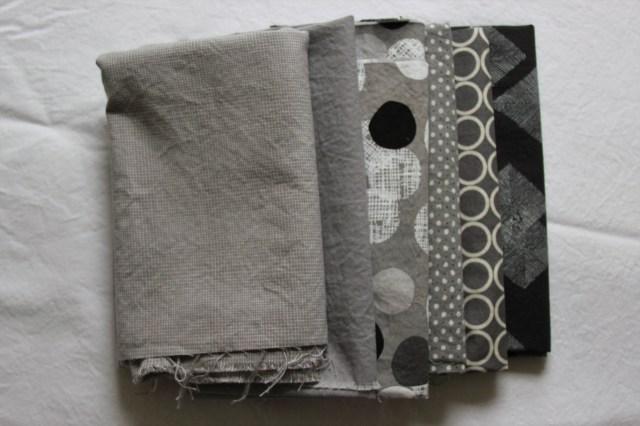 the grays I am using
 examples of grays from my stash that didn’t work – either wrong color (the gray/white polka dots are way too blue) or wrong design (those bikes are a nice gray but the print has blue in it too)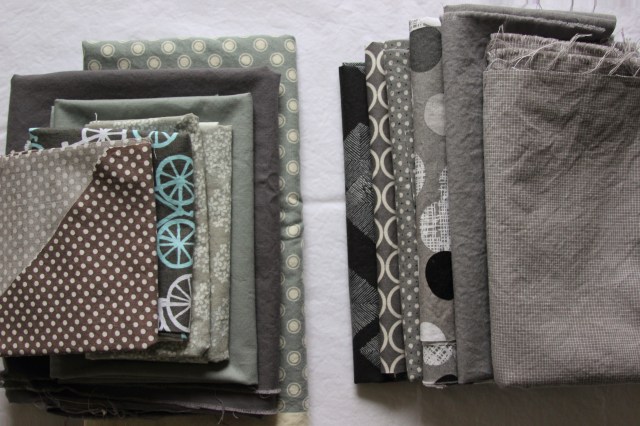


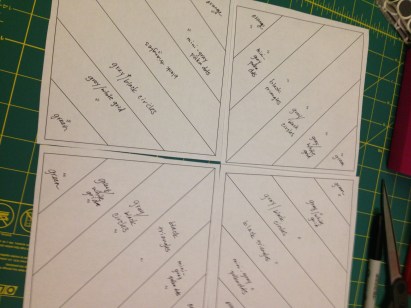
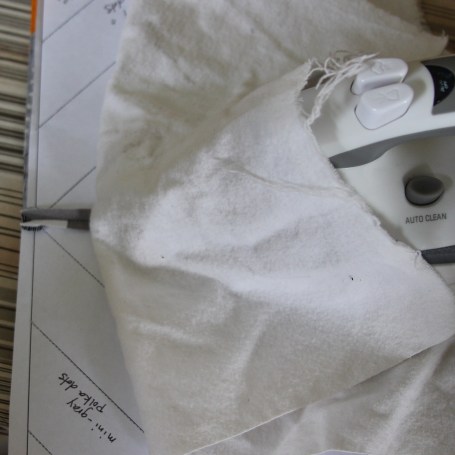
 looks off but it’s correct because I cut down the paper before sewing!


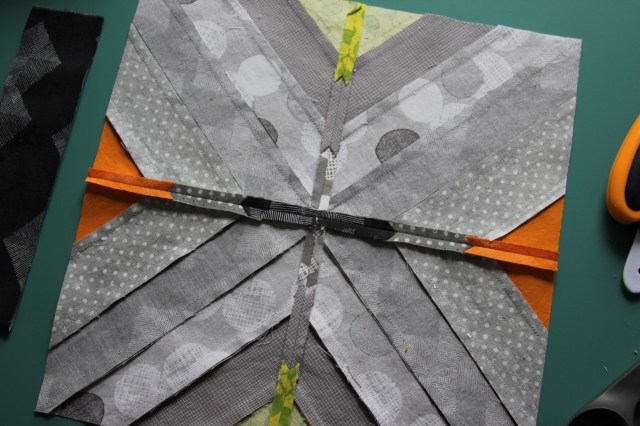
 paper gone from the seam allowance (on both sides)


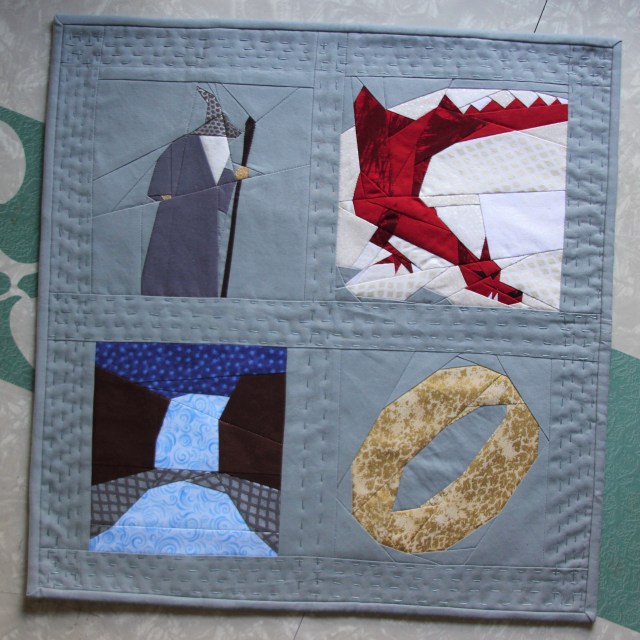
 Gandalf: “Tales and adventures sprouted up all over the place wherever he went, in the most extraordinary fashion.” (The Hobbit, Ch. 1)
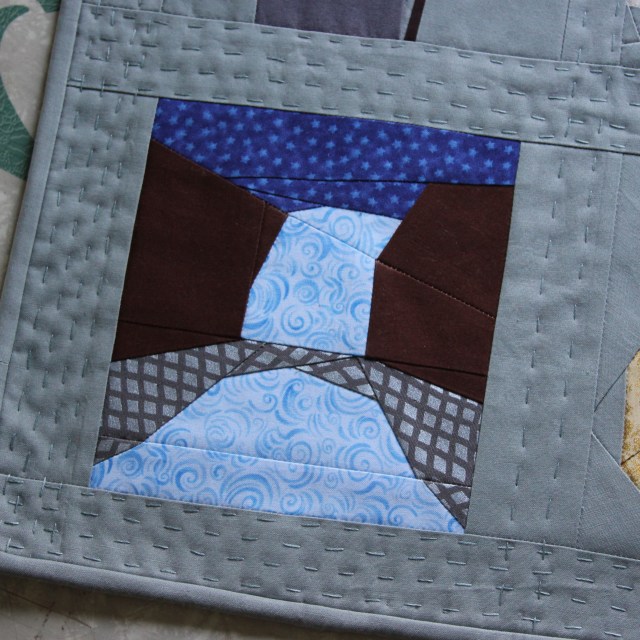 The Bridge to Rivendell: “The elves had brought bright lanterns to the shore, and they sang a merry song as the party went across.” (Ch. 3)
 The Precious: “He guessed as well as he could, and crawled along for a good way, till suddenly his hand met what felt like a tiny ring of cold metal lying on the floor of the tunnel. It was a turning point in his career, but he did not know it. He put the ring in his pocket almost without thinking; certainly it did not seem of any particular use at the moment.” (Ch. 5)
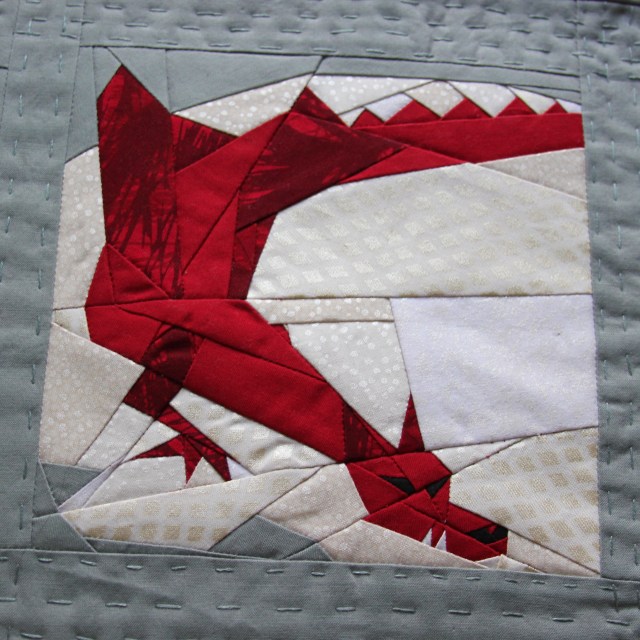 Smaug: “He was just about to step out on to the floor when he caught a sudden thin and piercing ray of red from under the drooping lid of Smaug’s left eye.” (Ch. 12)

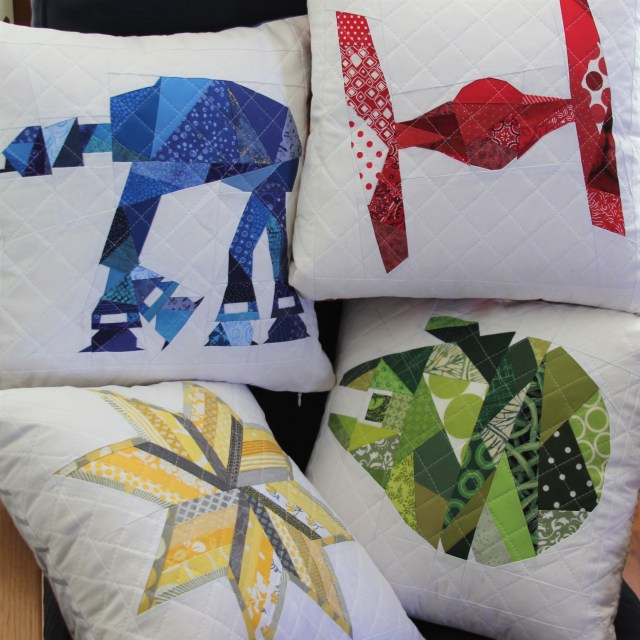
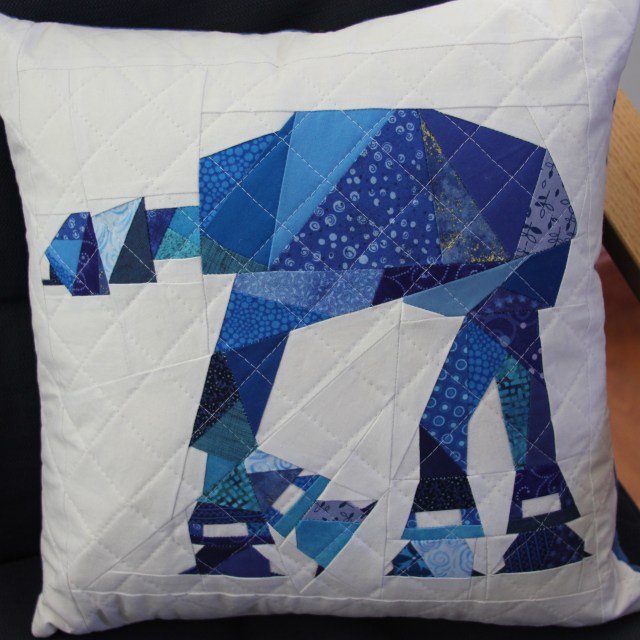
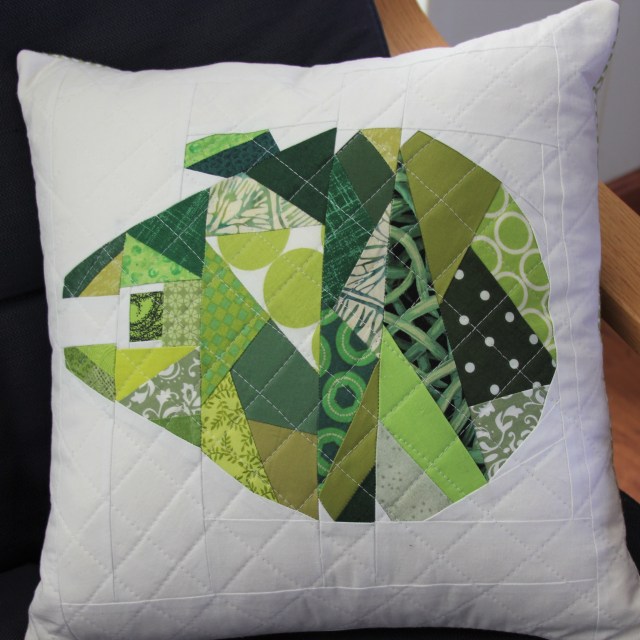 Millennium Falcon for Alex
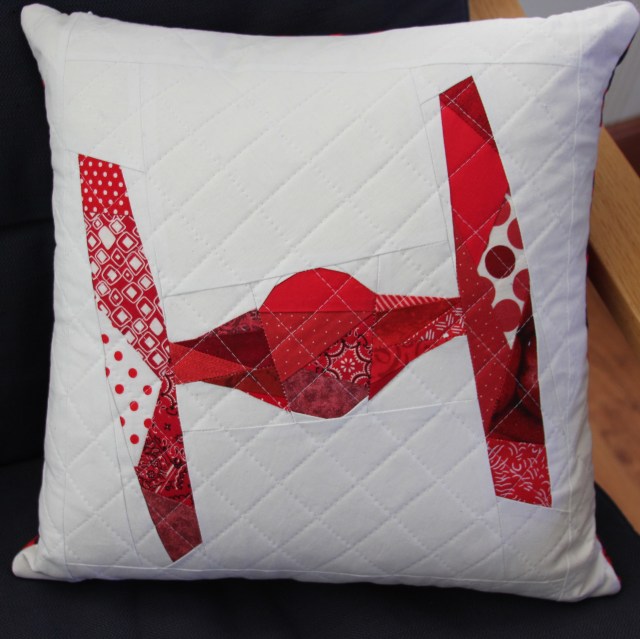 Tie Fighter for Luke
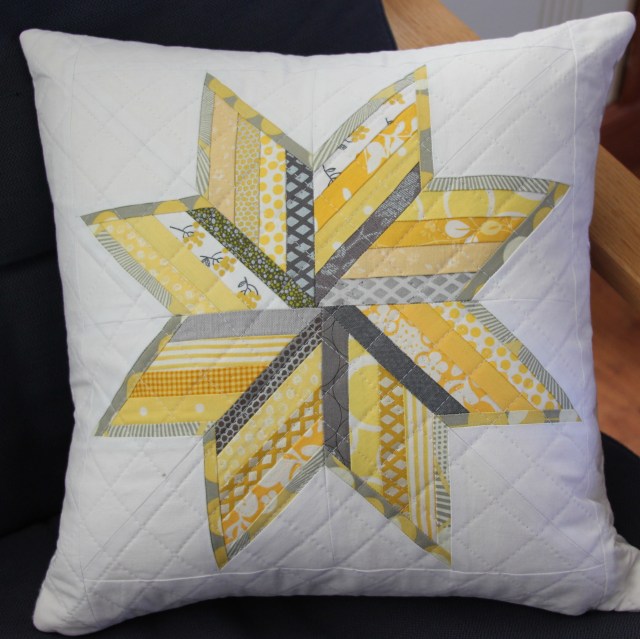 Striped Star for Nikki
 My flannel stash being what it is, I only needed to buy the blue. 😉
 I should have included something for perspective to help you understand how small those pieces are. The quilted squares are about one inch square, so that should tell you that each one of those “feet” took forever!
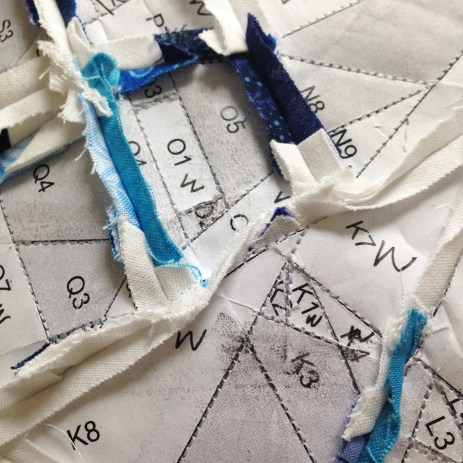 so many tiny pieces to rip out
 another process picture – so you can see how the AT AT was slowly assembled.
 front (the quilt is about 16×18)
 back (with loops for inserting a dowel for hanging)

 attempting to recreate a very silly picture our three brothers took before my wedding in 2007 – couldn’t quite do the “hang off the front of the cannon” trick that Eric pulled off!
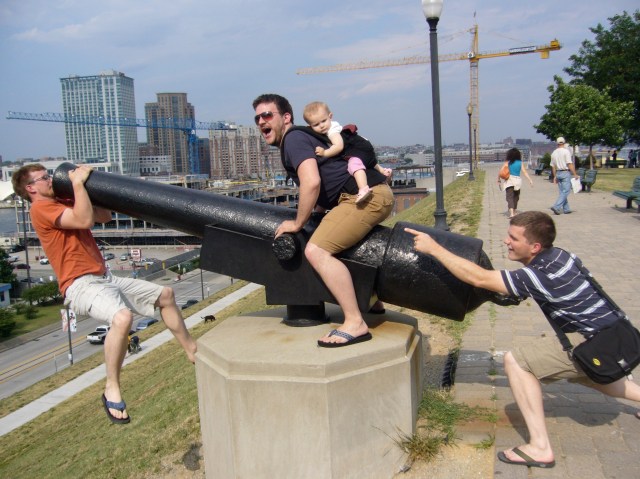 Eric, Chris, baby Adella, and Jon, circa June 2007 🙂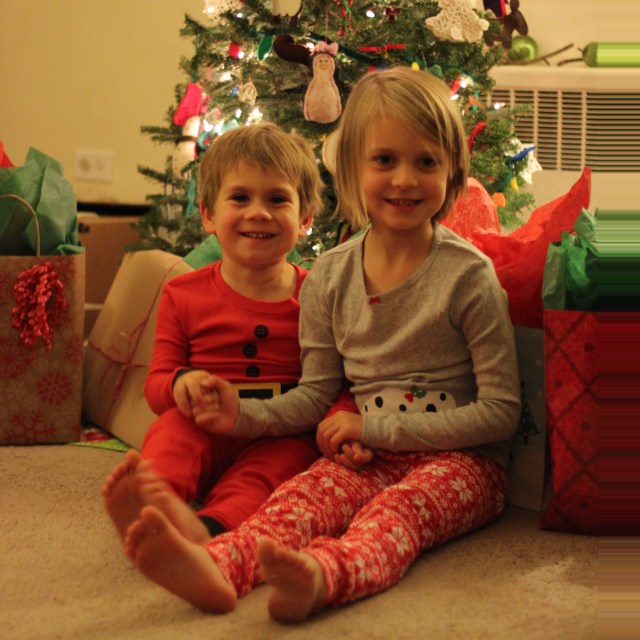








 Salmon and Souvlaki